
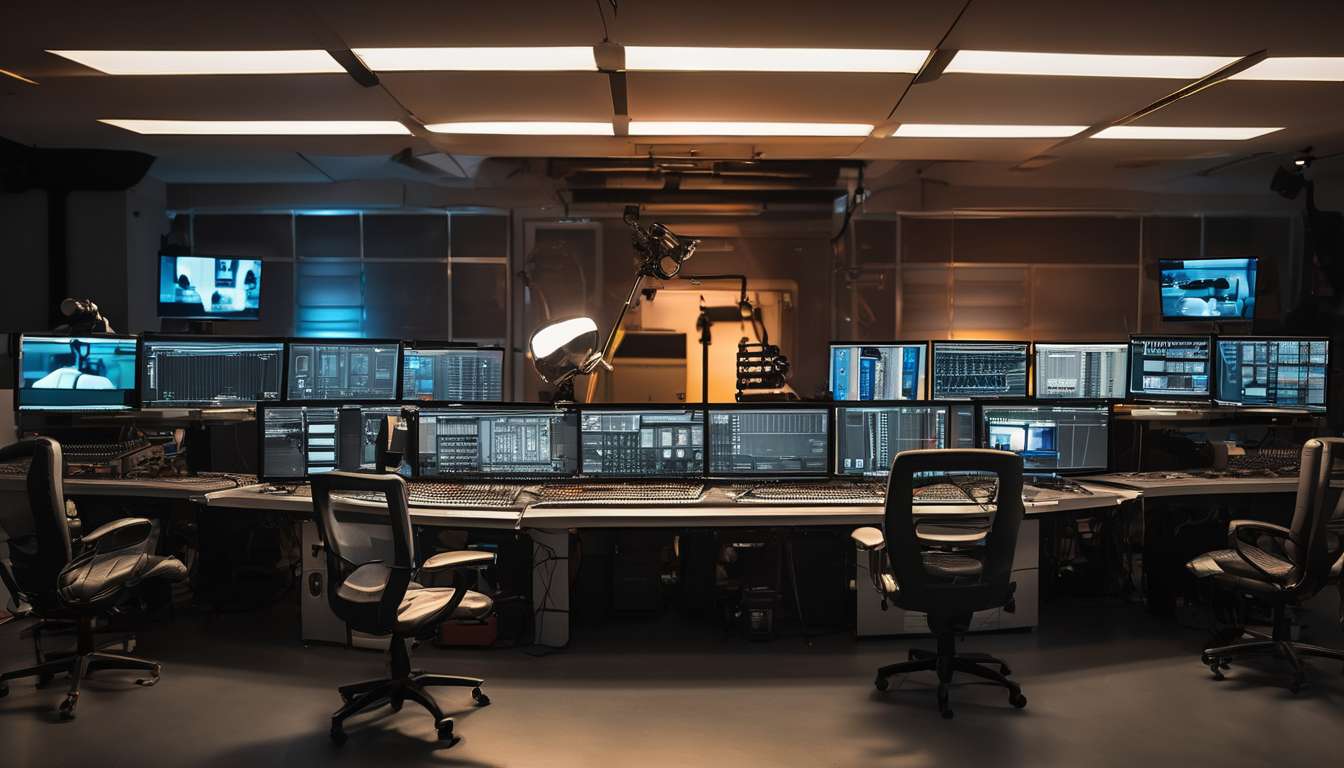
On the surface, our sets might resemble boutique photo studios, but behind the lights and lenses we operate as precision-driven production hubs.
We have watched an industry once dismissed as ad-hoc and ephemeral evolve into one demanding rigorous workflows, standardized quality controls, and secure data practices.
By comparing lean film crews to regulated studio operations, we see how investing in repeatable systems reduces errors, protects talent, and accelerates delivery without sacrificing creativity.
We prioritize documented procedures, calibrated equipment, and integrated software that track assets from pre-production through release.
That shift has required rethinking budgets, staff roles, and vendor relationships, yet the return is measurable:
- Fewer reshoots
- Clearer compliance
- More predictable timelines
As we adopt these frameworks, we reclaim professionalism and sustainability for our craft while proving that production quality and ethical responsibility are complementary goals, not competing priorities.
Industry Evolution
Over the past decade we’ve shifted from ad-hoc, nimble shoots to structured, end-to-end production systems that prioritize repeatable quality and compliance.
We’ve learned that embracing workflow standardization doesn’t strip creativity — it creates a shared language that helps everyone contribute confidently.
We calibrate equipment routinely so lighting, sound, and capture stay consistent across sets.
- That attention to detail shows respect for each person’s craft and keeps us aligned.
We’re intentional about data security, protecting footage, performer records, and release materials.
- Secure practices let the team trust the process and focus on creative work.
As our operations grew, we built clearer roles and checkpoints that reduce friction and protect wellbeing.
- Clear responsibilities and review points make people feel seen and safe to bring their best work.
We welcome collaborators who value reliability as much as artistry.
- Consistent systems let us iterate faster and lift collective standards.
By committing to repeatable practices, precise calibration, and robust security, we reinforce belonging.
- Everyone knows they’re part of a professional, respectful production that honors their contributions.
Standardized Workflows
We build and document repeatable processes for every stage of production so teams can execute reliably and scale without sacrificing creative intent.
We map each role, handoff, and timing so everyone knows what to expect and how their work fits the bigger picture.
Workflow standardization gives us a shared language and reduces friction, so contributors feel seen and supported rather than uncertain or isolated.
We include clear checklists for setup and teardown, and we schedule regular equipment calibration to keep image and sound consistent across shoots.
- Clear setup checklist (camera, lenses, batteries, media)
- Clear teardown checklist (data offload, gear inventory, safe storage)
- Regular calibration schedule (color, audio levels, lens alignment)
That predictability preserves artistic choices while simplifying training and onboarding, helping new members join confidently.
We also embed data security into workflows, protecting consent forms, releases, and media files with permissions and encrypted storage.
- Access permissions per role
- Encrypted storage and transfer for sensitive files
- Versioned backups for media and legal documents
By combining standardized procedures, calibrated tools, and guarded data, we create a professional environment that respects creators and crew.
That cohesion strengthens trust, improves delivery, and makes it easier for us to grow together without compromising standards.
Quality Control Measures
We implement rigorous quality checks at every production stage.
- We catch technical issues, continuity errors, and consent documentation gaps before they become problems.
- We run pre-shoot briefings and post-shoot audits that focus on measurable criteria — framing, audio levels, lighting consistency, and signed paperwork — so team members feel supported and accountable.
We design checklists that reflect workflow standardization.
- Checklists ensure everyone knows responsibilities and handoffs.
- Standardization reduces variability and makes audits actionable.
We maintain clear defect-tracking and open review processes.
- Defect-tracking logs record issues and resolutions.
- Regular review meetings let contributors voice concerns without blame, fostering belonging and faster problem resolution.
We protect sensitive materials with strict data security protocols.
- Encrypted storage, access controls, and documented retention schedules build trust with talent and staff.
- These safeguards preserve dignity and safety for everyone involved.
We use a continuous-improvement loop driven by metrics.
- Collect audit metrics and defect data.
- Refine training and SOPs based on findings.
- Enforce corrective actions when deviations occur.
By combining standardized workflows, transparent communication, and proactive safeguards, we keep production quality high and preserve the dignity and safety of everyone involved.
Equipment Calibration
We regularly calibrate cameras, microphones, and lighting meters to ensure consistent capture quality and reduce rework.
Equipment calibration is a shared responsibility.
- Operators follow checklists.
- Technicians log adjustments.
- Producers confirm settings before each shoot.
That collaborative approach reinforces workflow standardization.
- Every team member knows the baseline for color balance, exposure, and audio levels.
- It protects creative intent by keeping captures predictable.
Calibration records are tied to sessions to spot drift and schedule preventive maintenance.
Training everyone on the same procedures builds trust and belonging.
- People know their input matters.
- Standards create a common language and expectations.
Calibration is integrated into preproduction so it’s not optional but ingrained.
We balance speed with precision.
- Quick verification for routine shoots.
- Full calibration for complex setups.
Consistent equipment calibration reduces retakes and preserves postproduction time.
Reliable outputs strengthen our collective reputation and align the team around quality.
Responsible handling includes data security considerations for sensitive production materials.
Data Security Practices
We encrypt all sensitive files and restrict access so only authorized team members can view or transfer production materials.
We treat data security as part of our shared craft:
- Consistent permissions
- Audited transfers
- Encrypted backups
These practices keep our community safe and respected.
We integrate workflow standardization with access controls so handoffs are predictable and everyone knows their responsibilities without guesswork.
We document key responsibilities and retention rules:
- Who can decrypt footage
- Who signs release forms
- How long materials are retained
This documentation reduces friction and fosters trust.
We tie system logs to routine checks and mirror our equipment calibration cadence so technical and administrative safeguards align.
We run periodic drills, update credentials, and rotate keys as a team practice; that discipline protects talent and staff alike.
We prioritize secure onboarding and offboarding, ensuring departures don’t leave open pathways.
By embedding data security into daily standards, we build a workspace where people belong, collaborate confidently, and uphold the professional quality our productions deserve.
Role Redesign
We will rework roles so each team member has clear, measurable responsibilities, fewer handoffs, and authority matched to their decision points.
We will map tasks to competencies, so everyone knows what success looks like and how their work connects to the studio’s mission.
By aligning job descriptions with workflow standardization, we remove ambiguity and reduce duplicate effort.
We will assign owners for equipment calibration, so devices are maintained predictably and accountability is visible.
- Owners will have checklists.
- Owners will receive training.
- Owners will have the authority to pause production if standards aren’t met.
We will embed data security responsibilities into daily roles, making privacy and access control part of everyone’s routine rather than an afterthought.
We will create mentoring loops and cross-training so people feel supported when stepping into new duties.
- Set measurable checkpoints.
- Provide feedback channels that let us iterate roles quickly and fairly.
Together, we will build a culture where every person belongs, knows their impact, and can act confidently to keep quality, safety, and trust at the center of our work.
Vendor Partnerships
Selection criteria & service-level expectations
We’ll establish clear selection criteria and service-level expectations so our vendors reliably meet quality, compliance, and confidentiality requirements.
By setting these standards together, we create predictable handoffs and reduce friction across shoots, post, and distribution.
Partner qualifications
- We’ll choose partners who embrace:
- Workflow standardization
- Regular equipment calibration
- Prioritization of data security
Contractual commitments
We’ll negotiate contracts that specify response times, maintenance schedules, and audit access so everyone on our team feels supported and included.
Onboarding & training
- We’ll share onboarding materials and run joint trainings so vendors understand:
- Our culture and expectations
- Confidentiality needs
Documentation & review cadence
- We’ll require:
- Documented calibration logs
- Secure transfer protocols
- We’ll review these on a set cadence.
Relationship-building & escalation
We’ll foster long-term relationships rather than one-off buys, giving vendors incentives to improve processes that benefit us all.
We’ll also create clear escalation paths when standards slip, ensuring issues are resolved respectfully and transparently.
Outcome
In doing so, we strengthen a network where quality, trust, and belonging are built into every external collaboration.
Measurable Outcomes
We will define specific, trackable metrics—like defect rates, turnaround times, and compliance incidents—so we can quantify vendor performance and our own process improvements.
We will measure how workflow standardization reduces rework and shortens delivery windows.
We will track adherence to SOPs across teams so everyone feels included in improvement efforts.
We will log equipment calibration intervals and failure rates, tying them to quality incidents so maintenance becomes a shared responsibility rather than a hidden cost.
We will collect anonymized feedback and aggregate metrics to evaluate partner contributions and internal changes, making results visible to all stakeholders so accountability builds trust.
We will monitor data security events alongside production KPIs to ensure privacy controls aren’t sacrificed for speed.
We will set transparent targets, review them regularly, and celebrate when we hit milestones, because measurable outcomes guide continuous improvement and foster a culture where every person and partner belongs to a reliable, respectful workflow.
How do studios handle consent documentation and performer legal rights beyond basic compliance forms?
We maintain clear, accessible records and regular check-ins to ensure everyone feels respected and safe.
We use detailed, timestamped consent forms.
We implement revocable consent processes and document discussions about limits and aftercare.
We secure legal counsel to draft performer agreements that cover:
- Compensation.
- Image and likeness rights.
- Withdrawal options.
- Dispute resolution.
We provide resources and channels for support and complaints:
- Mental health resources.
- Plain-language explanations of rights.
- Confidential complaint channels.
What mental health and on-set support services are provided to performers to address stress, burnout, or trauma?
We’re focused on what mental health and on-set support services performers get to address stress, burnout, or trauma.
We provide access to licensed therapists, crisis counselors, and peer-support groups.
We offer confidential check-ins before and after shoots.
We’ve trained coordinators to spot distress, pause scenes, and arrange follow-up care.
We’re committed to flexible scheduling, time off, and resources for long-term recovery so everyone feels safe and supported.
How are diversity, inclusion, and equitable hiring practices implemented and monitored within studio workflows?
We prioritize equitable hiring by setting clear diversity goals, using inclusive job descriptions, and recruiting from varied networks.
We train hiring teams on bias reduction, anonymize applications where possible, and use structured interviews.
We monitor progress with transparent metrics, regular audits, and anonymous feedback loops, and we adjust policies when gaps appear.
We celebrate diverse voices, provide equitable pay and access, and hold leadership accountable for inclusion outcomes.
Conclusion
You’ve seen how studios are evolving, adopting standardized workflows and tighter quality control to professionalize adult-industry production.
By calibrating equipment, securing data, redesigning roles, and forging vendor partnerships, you’re reducing risks and boosting consistency.
These measurable outcomes prove the investment pays off: faster turnarounds, clearer accountability, and higher production value.
Keep prioritizing systems and partnerships—doing so helps you scale responsibly while protecting talent, assets, and the integrity of your content.